

Why the question „label or direct print?“ is asked so often
In many companies, the same question arises sooner or later:
Should products and packaging be marked with labels - or is direct printing the better solution?
Both methods have their justification. Which solution makes more sense depends heavily on the application, the materials and the processes. This article provides practical guidance and shows what is important when making a decision.
What is labeling?
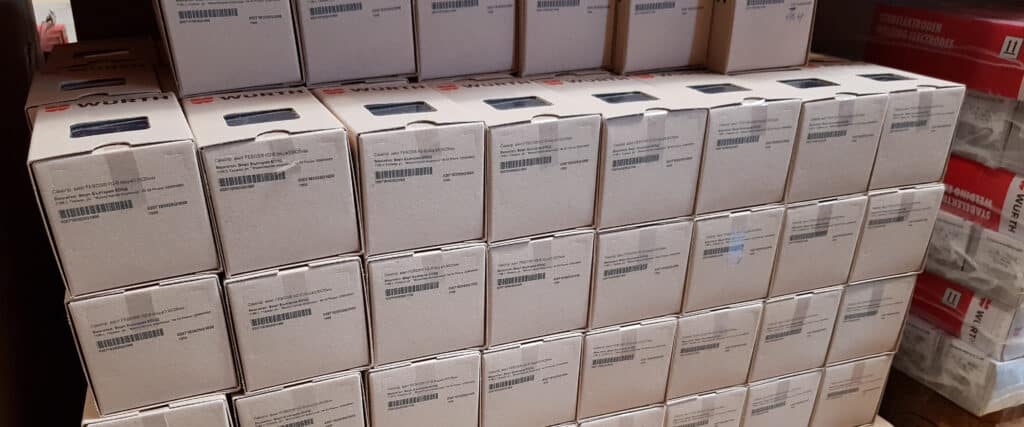
In labeling, information is printed on a separate label and then applied to the product or packaging. Labels can be pre-printed or variably printed and are used in many industries.
Typical labeling features:
- Separate backing material (label)
- Manual or automatic application
- often in standardized processes
What is direct printing?
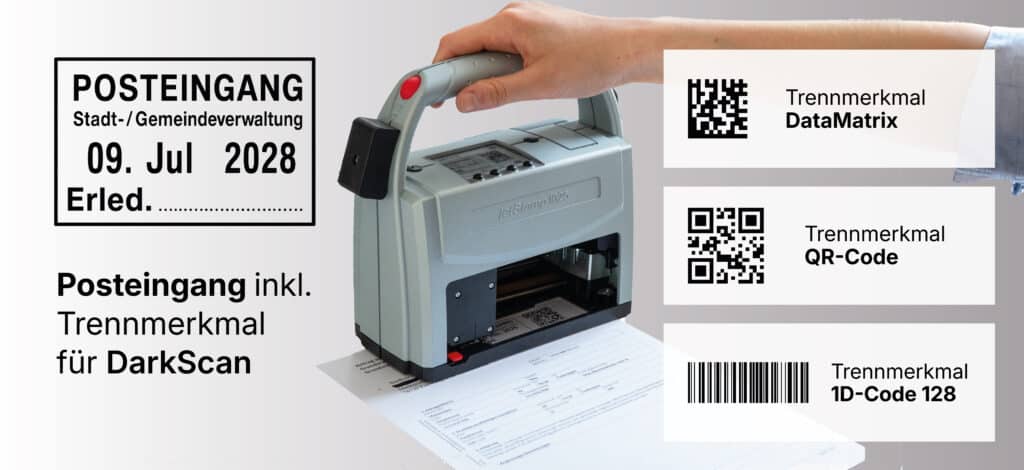
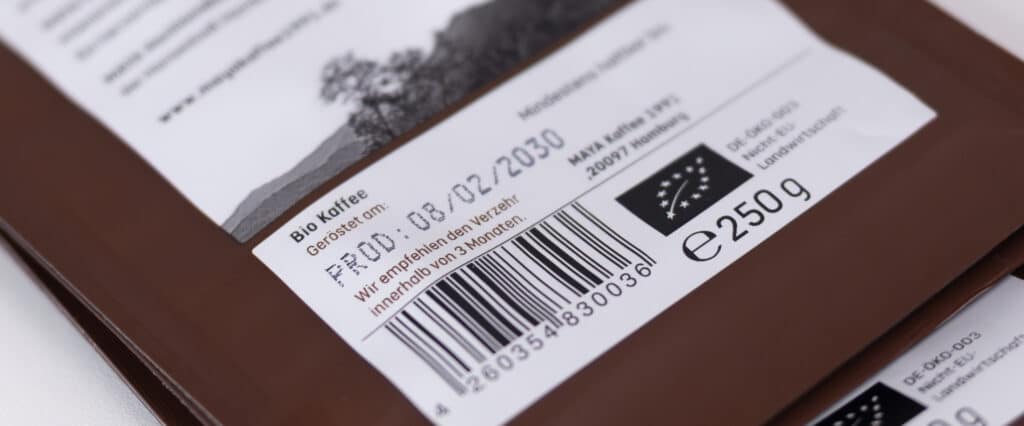
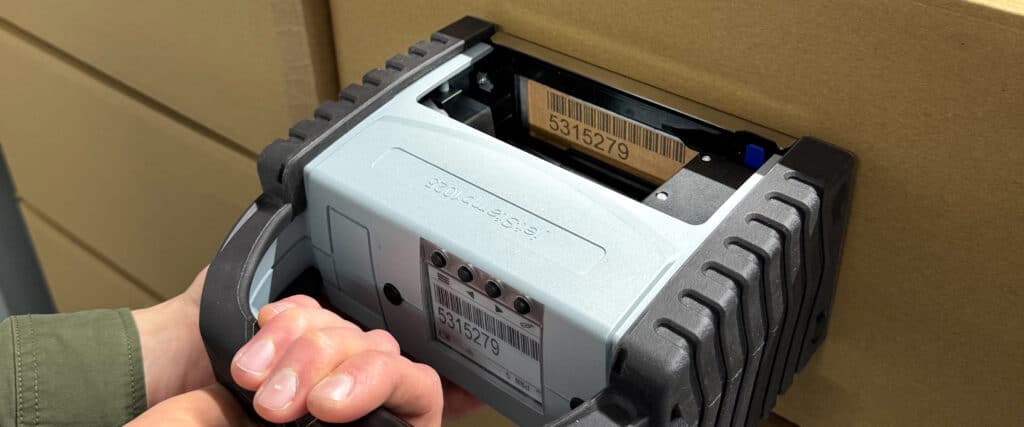
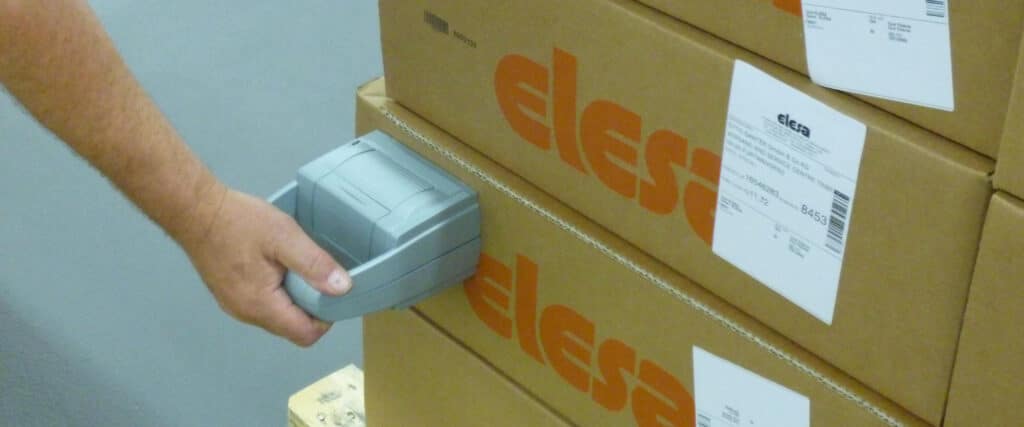
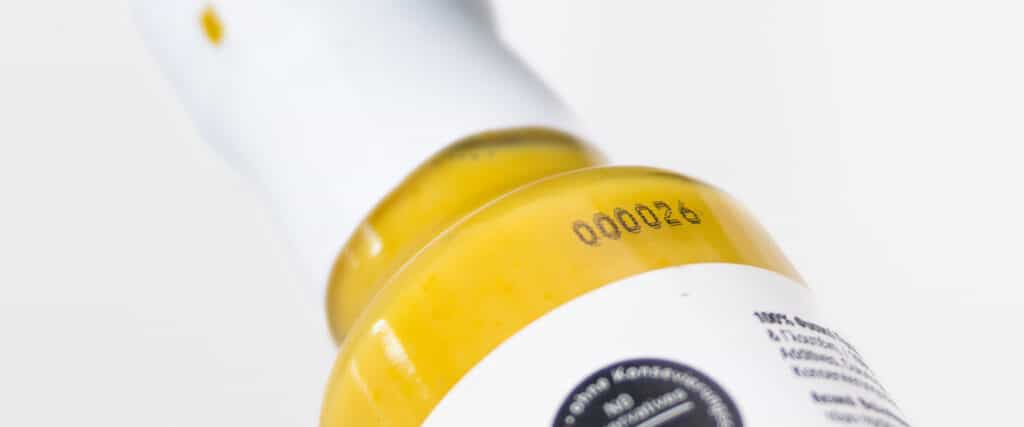
With direct printing, information is printed directly onto the product or packaging without a label. Texts, barcodes or variable data are applied directly to the surface.
Direct printing is often used when flexibility is required or labels reach their limits.
You can find a detailed explanation in the blog article „Direct printing in industrial coding and marking“.
Comparison: label vs. direct printing in everyday practice
Flexibility with changing content
Labels are well suited for consistent content and high quantities.
Direct printing is particularly advantageous when content changes frequently or needs to be adapted at short notice.
Material and surfaces
Labels can be easily applied to smooth, flat surfaces.
On curved, rough or very small surfaces, direct printing may be the better solution, as no label needs to adhere.
Process costs
Labeling requires additional work steps such as printing, storing and applying the labels.
These steps are not necessary with direct printing, as the labeling is done directly.
Space requirement
Labels need sufficient surface area to stick on.
Direct printing can also be used in confined spaces, provided the surface is suitable.
Adaptability in everyday working life
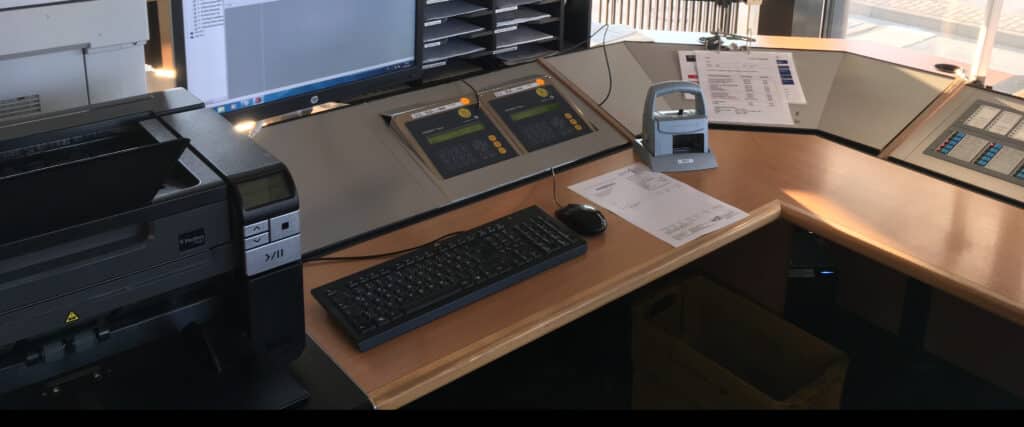
Direct printing can often be carried out directly at the point of use - for example in the warehouse or dispatch area.
Labeling is often more closely tied to fixed workstations or machines.
Typical application scenarios from practice
When labels make sense
- Very high quantities
- Standardized content
- Automated lines
- Sufficiently large, smooth surfaces
When direct printing makes sense
- Small to medium series
- Frequently changing content
- Difficult or uneven surfaces
- Mobile or manual processes
- Post-labeling
Decision-making aid: Which solution is better?
The choice between labels and direct printing should not be made on a one-size-fits-all basis. The following questions, among others, are decisive:
- How often does the content change?
- What material is used for labeling?
- Where does the labeling take place?
- How flexible does the process need to be?
- What role do material and process costs play?
The clearer the answers to these questions, the easier the decision will be.
Combination of both methods
In practice, labeling and direct printing are not mutually exclusive. Many companies use both methods in parallel - depending on the product, process or requirement. A flexible labeling strategy can help to efficiently cover different scenarios.
Conclusion: Practice decides, not the procedure
Labeling and direct printing each have their strengths. While labels are convincing in standardized, automated processes, direct printing scores above all with its flexibility and simple handling in variable applications.
The right solution is always the one that best suits the respective application.


 German
  English
  French
  Spanish