
Printing on plastic - mobile direct printing
Direct printing on plastic parts, packaging and components without labels - mobile, clean and without carrier material.
Plastics are diverse - from smooth housings and structured injection-molded parts to films or PET bottles. With REINER direct printing, you can apply variable information such as batch numbers, best-before dates, barcodes or logos directly to the product - without labels or adhesives.
Hurdles in the coding of plastic
Why standard solutions are often not enough
Typical requirements
-
are marked with batch numbers or serial numbers
-
bear a best-before date (BBD)
-
Contain barcodes or QR codes
-
can be labeled flexibly when changing batches
-
remain legible even with small print areas
-
be visually clean and high-contrast labeled
Typical challenges
-
Smooth or lightly oiled surfaces
-
Structured or matt plastics
-
different types of plastic (PE, PP, PET, ABS etc.)
-
Small or curved print areas
-
Changing product sizes
Impression examples on plastic
Use cases from practice

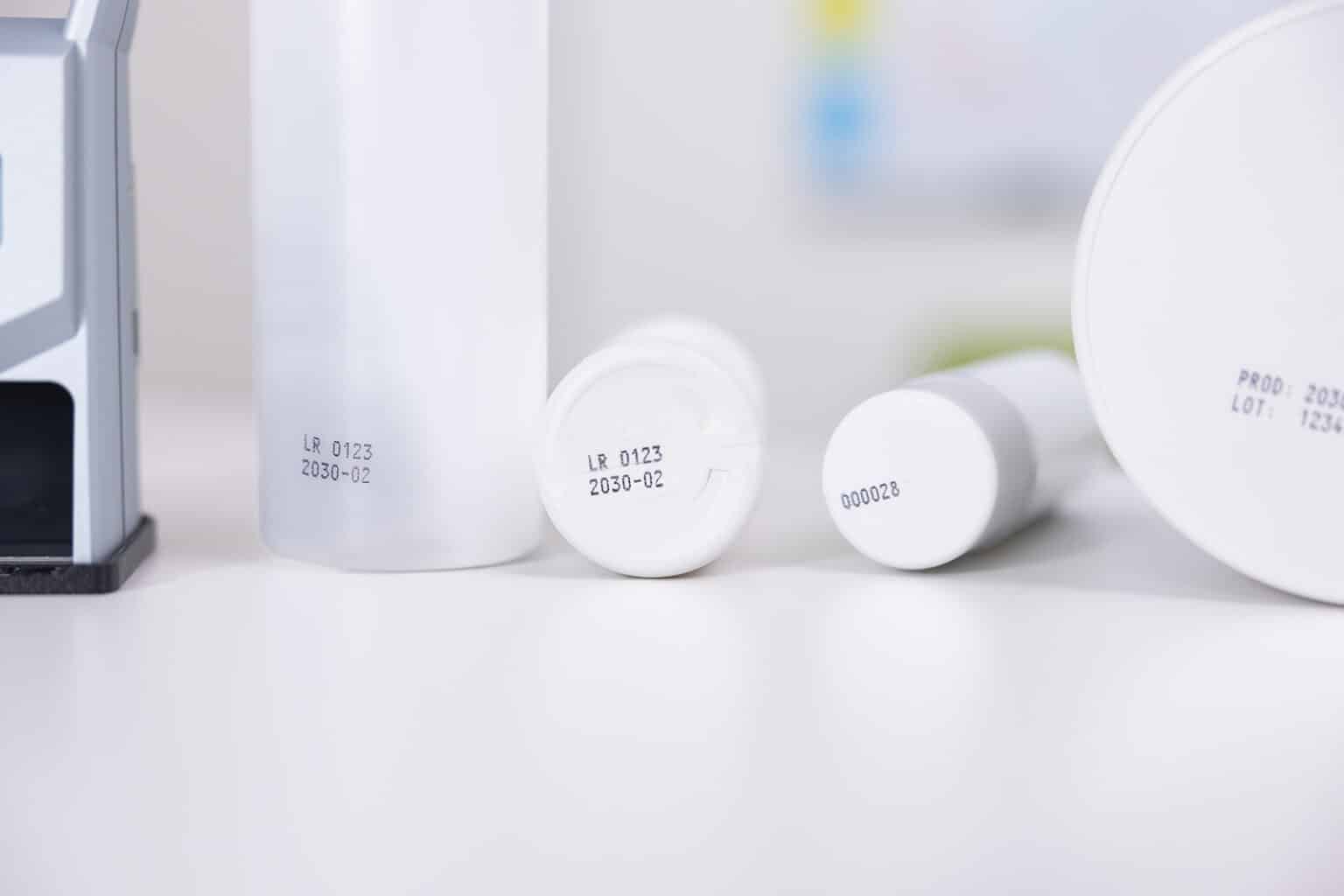
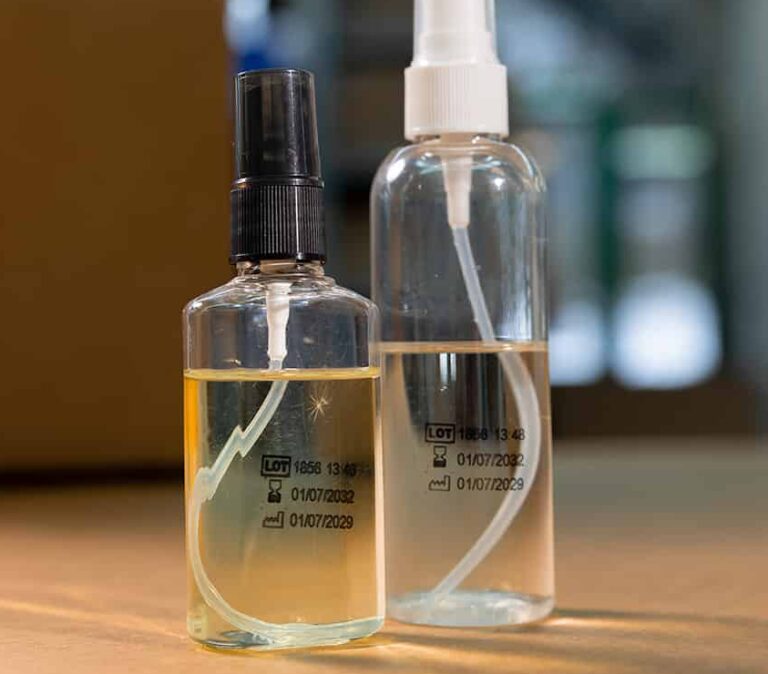
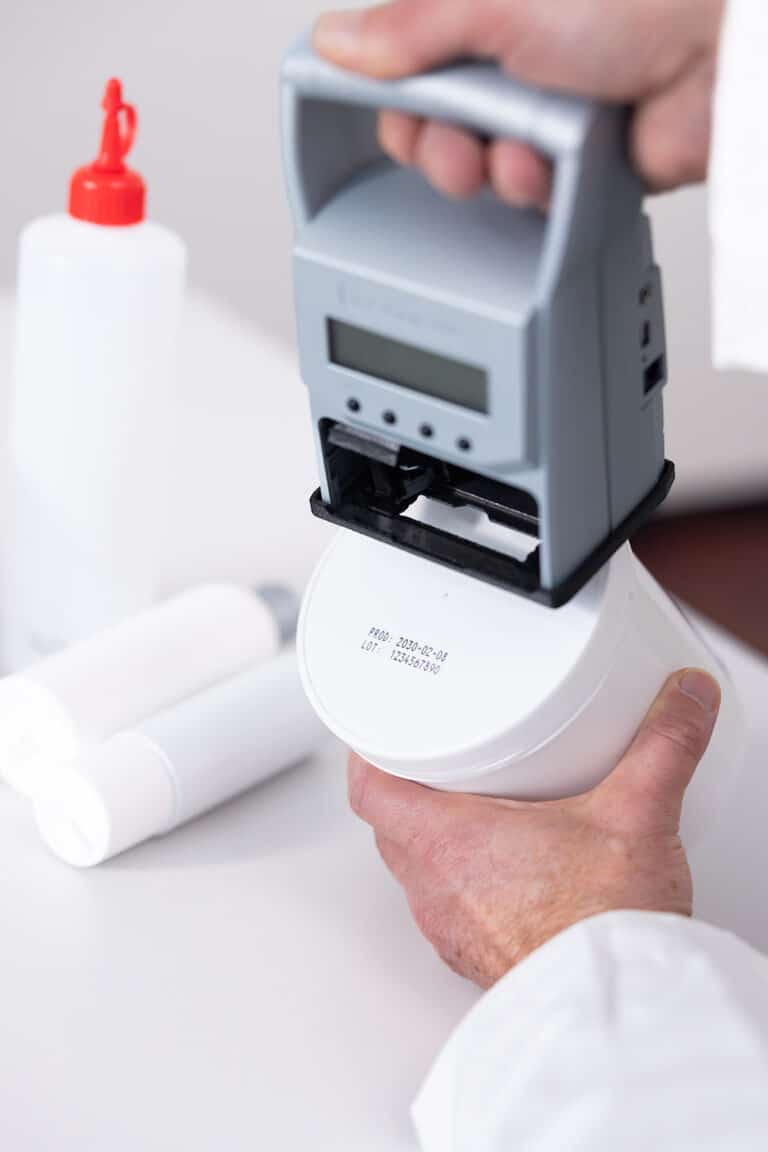
Batch and date marking on plastic containers
Clean direct printing on a smooth plastic surface - ideal for serial numbers, production data or best-before dates without an additional label.
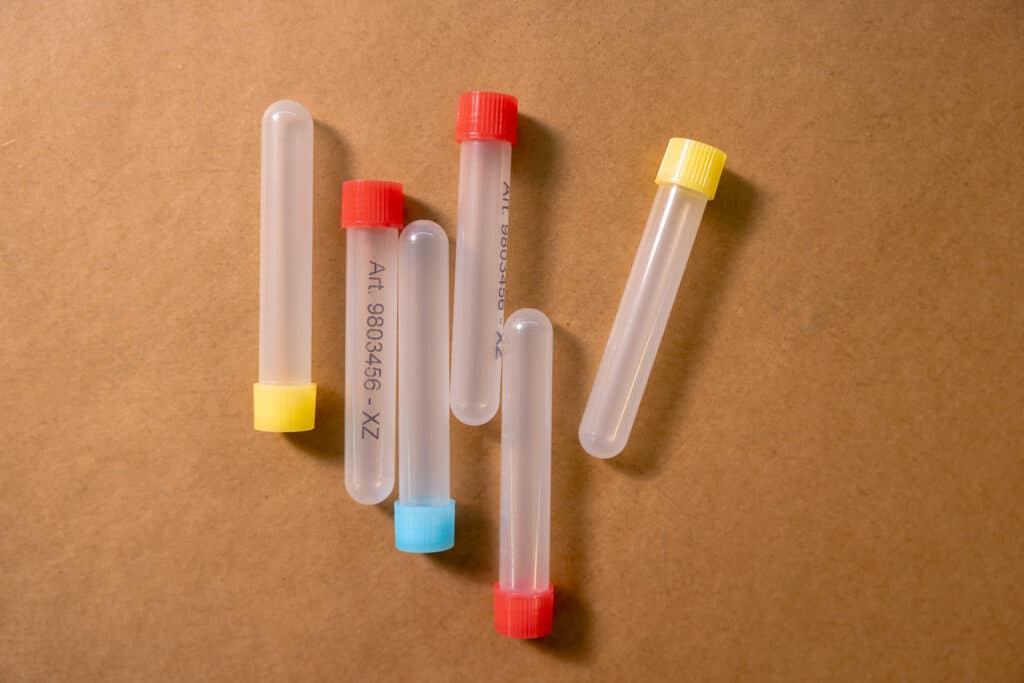
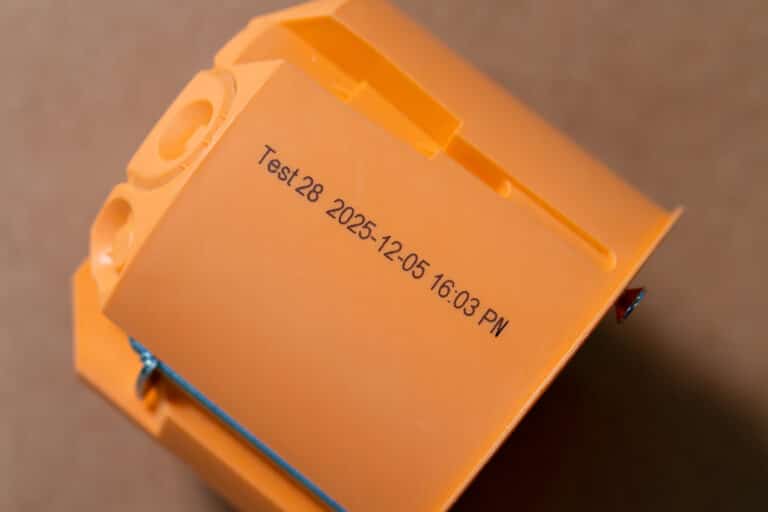
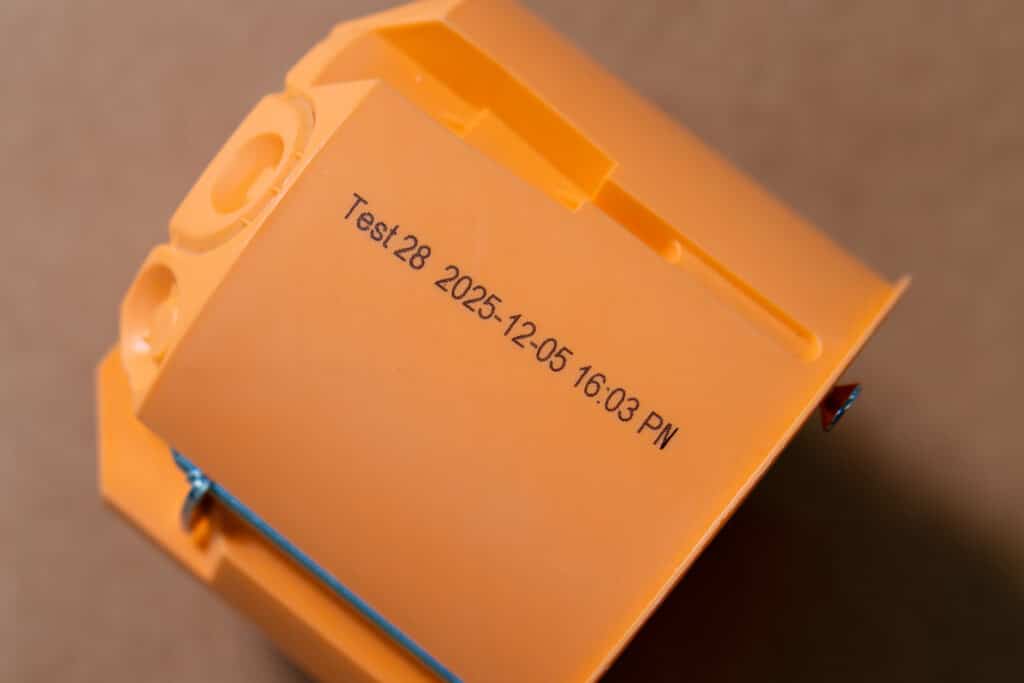
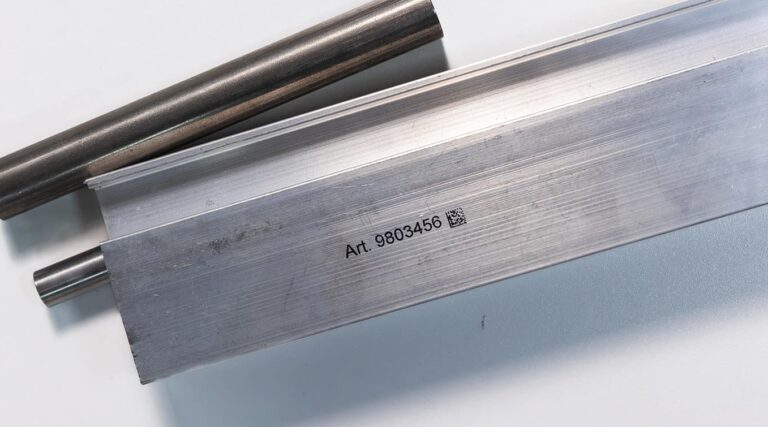
Serial numbers on technical plastic parts
Precise imprint on injection molded parts or molded bodies - permanently legible, even on curved or structured surfaces.

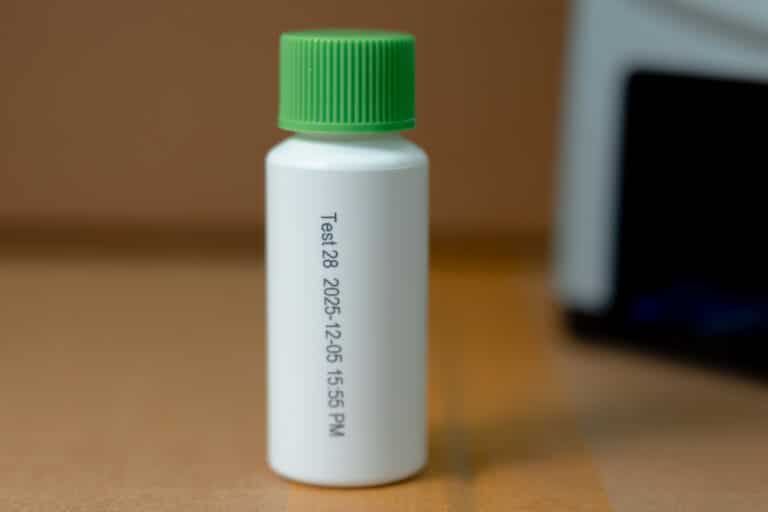
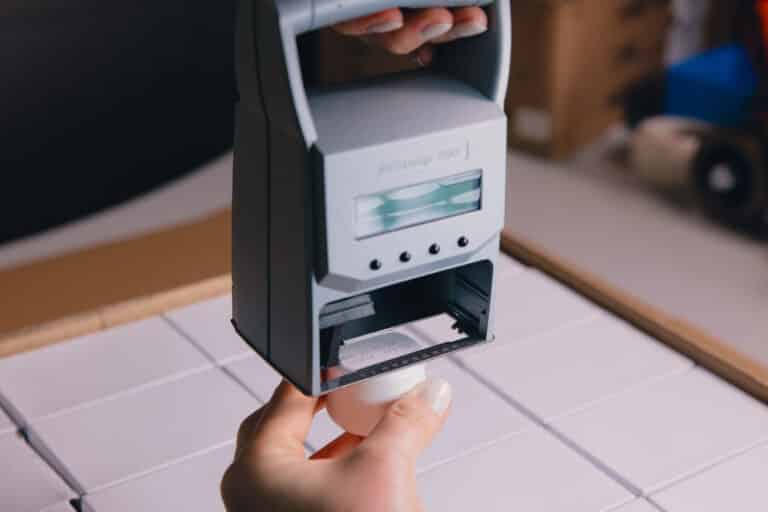
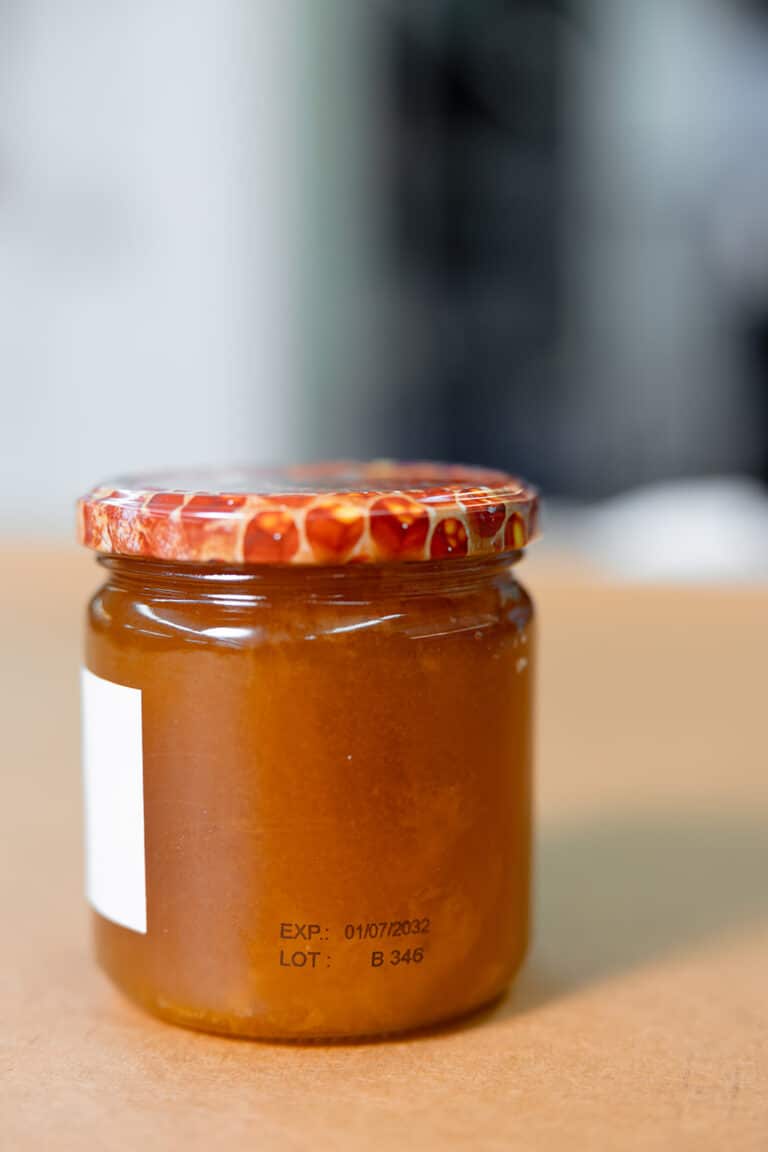
Best before date and batch printing on PET and plastic bottles
Variable data printed directly onto packaging - flexible for changing batches and without adhesion problems.
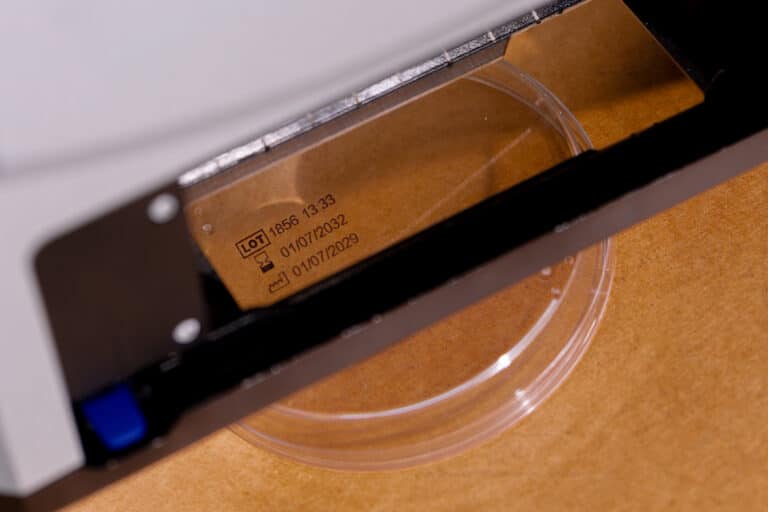
Product information on plastic lid
Direct printing on plastic lids - clean, high-contrast and without a label.
Why direct printing instead of labels on plastic?
Technology Advantages
Direct printing offers a flexible and economical alternative - especially for changing batches and small series.
Typical label problem
Direct printing with REINER
Adhesion to smooth surfaces difficult
Print directly on the material
Additional material costs
no backing material
Visually disturbing
Integrated impression
Storage for labels
only device & ink necessary
Special technical features of plastic
Labeling That Adapts
-
Choice of water or alcohol-based inks depending on the material
-
Good legibility on light and dark plastics
-
Pressure without movement - product stops
-
Suitable for textured and slightly curved surfaces
-
Variable print content directly from software or barcode scanner
Practical example
Applications, experiences, and tips
A medium-sized industrial company from Bavaria produces technical plastic components for the electrical and automotive industries. The components are manufactured in different variants and must be marked for internal traceability. This is done with the jetStamp® 970.
Result:
- Reduced label usage
- Greater flexibility for variant production
- Faster processes in production
- Direct labeling without additional paths
- Clear and comprehensible component identification
Suitable appliances for plastic
Our solution
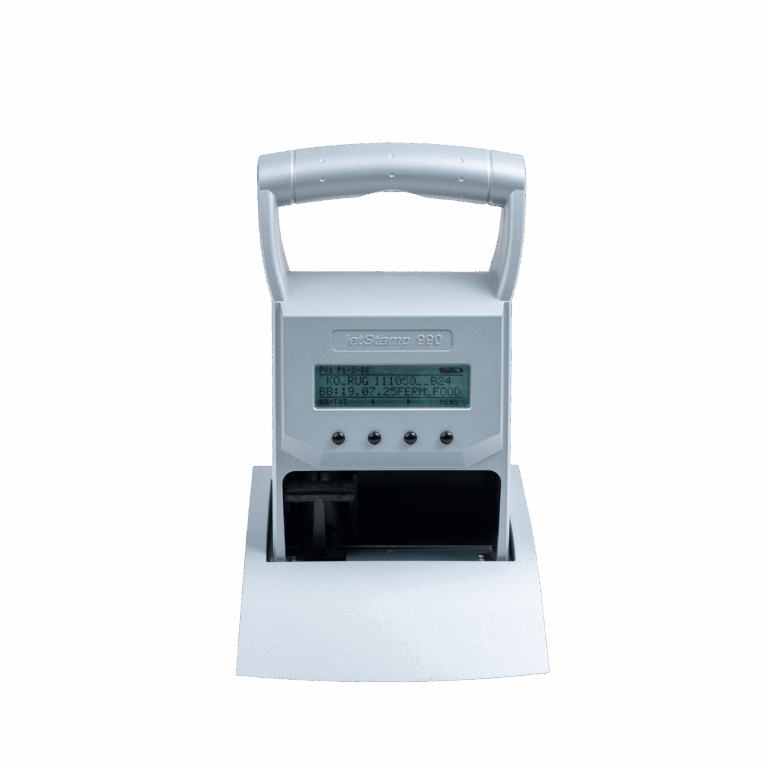
jetStamp® 990
Marking on plastic surfaces
The jetStamp 990 is ideal for coding plastic products and packaging. Dates, batch numbers or internal codes can be applied directly to plastic surfaces and ensure clear identification in the production and packaging process.
✓ Print height up to 12.5 mm
✓ Variable content such as date, batch or text
✓ Suitable for many plastic surfaces
✓ Mobile and flexible use in production and logistics
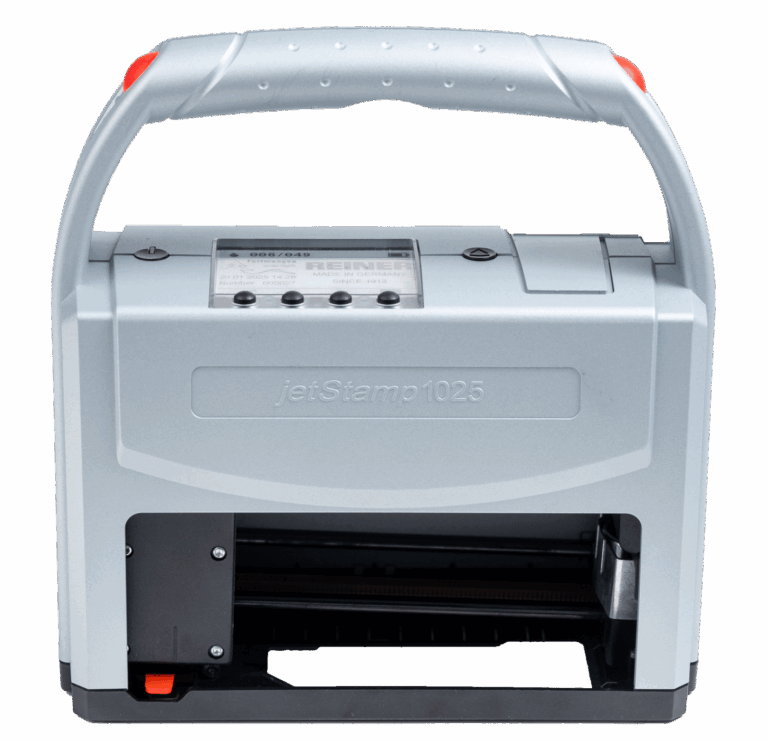
jetStamp® 1025
Versatile marking on plastic
The jetStamp 1025 can be used to flexibly mark plastic products and packaging. Texts, barcodes, logos or dates can be printed directly onto plastic surfaces and enable clear product and packaging marking.
✓ Printing of text, barcodes, logos and graphics
✓ Variable content such as date, batch or codes
✓ Suitable for plastic products and packaging
✓ Mobile or stationary use
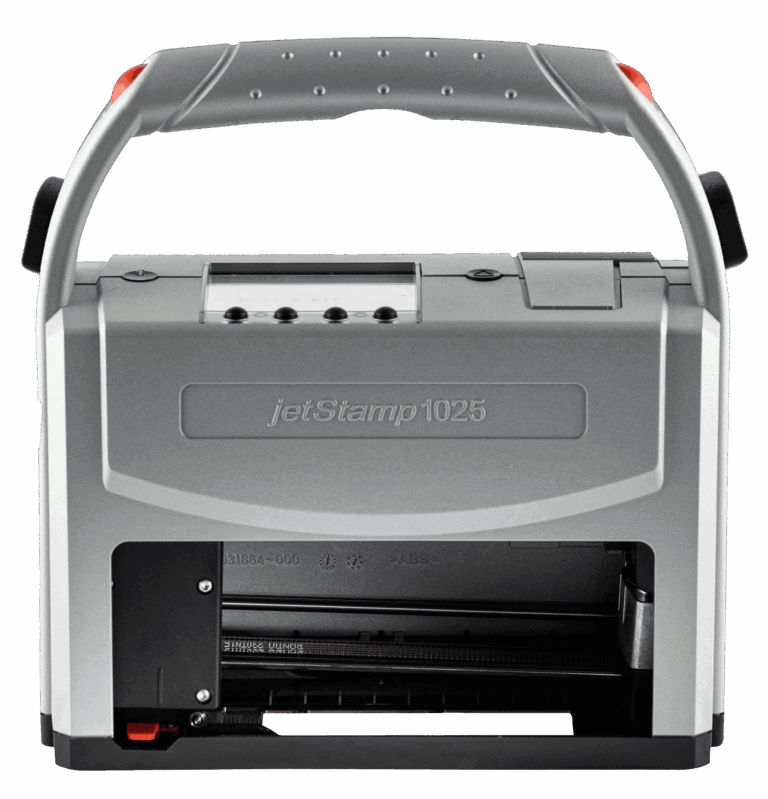
jetStamp® 1025 sense with Barcode Scanner
Scan data and print directly onto plastic
The jetStamp 1025 sense combines data capture and marking in one device. Codes or production data can first be scanned and then printed directly onto plastic products or packaging. This allows marking processes to be efficiently linked with existing data.
✓ Integrated scanner for codes and data
✓ Printing of text, barcodes, logos and graphics
✓ Labeling directly after data acquisition
✓ Ideal for production, packaging and logistics
Frequently asked questions
FAQ
Can plastic be printed directly?
Yes, plastic can be printed directly, depending on the surface and ink. Mobile marking devices can be used to apply texts, batch numbers, barcodes or logos without a label.
Does the print hold permanently on plastic?
This depends on the material and the ink used. Depending on the surface (e.g. smooth, matt, oiled or coated), the imprint can be wipeable or more durable. The right combination of device and ink is crucial.
Does product labeling work on plastic, metal or cardboard?
Depending on the ink, different materials are suitable. Adhesion depends on the material and environment.
Which ink is suitable for plastic?
Solvent-based inks are generally used for plastic surfaces. MP3 (all-round) or MP4 (extra strong adhesion for very smooth surfaces) are used depending on the surface and stress.
Which types of plastic are suitable?
Suitable are among others:
- PET
- PP
- PE
- PVC
- ABS
- Injection molded parts
- Plastic packaging
It is advisable to test the material in advance.
Can variable data be printed on plastic?
Yes, serial numbers, batch numbers, dates or barcodes can be applied flexibly and variably - ideal for small batches or changing production data.
Can you also print on curved or small plastic surfaces?
Yes, mobile direct printing systems are particularly suitable for smaller print areas, curved surfaces or areas that are difficult to access - such as on bottles, housings or technical components.
Is direct printing an alternative to labels?
Suitable are among others:
- PET
- PP
- PE
- PVC
- ABS
- Injection molded parts
- Plastic packaging
It is advisable to test the material in advance.
Does printing also work outside the production line?
Yes, mobile labeling devices enable flexible labeling directly in the warehouse, in the workshop or for subsequent labeling.
Can plastic be printed directly?
Yes, plastic can be printed directly, depending on the surface and ink. Mobile marking devices can be used to apply texts, batch numbers, barcodes or logos without a label.
Does the print hold permanently on plastic?
This depends on the material and the ink used. Depending on the surface (e.g. smooth, matt, oiled or coated), the imprint can be wipeable or more durable. The right combination of device and ink is crucial.
Does product labeling work on plastic, metal or cardboard?
Depending on the ink, different materials are suitable. Adhesion depends on the material and environment.
Which ink is suitable for plastic?
Solvent-based inks are generally used for plastic surfaces. MP3 (all-round) or MP4 (extra strong adhesion for very smooth surfaces) are used depending on the surface and stress.
Which types of plastic are suitable?
Suitable are among others:
- PET
- PP
- PE
- PVC
- ABS
- Injection molded parts
- Plastic packaging
It is advisable to test the material in advance.
Can variable data be printed on plastic?
Yes, serial numbers, batch numbers, dates or barcodes can be applied flexibly and variably - ideal for small batches or changing production data.
Can you also print on curved or small plastic surfaces?
Yes, mobile direct printing systems are particularly suitable for smaller print areas, curved surfaces or areas that are difficult to access - such as on bottles, housings or technical components.
Is direct printing an alternative to labels?
Suitable are among others:
- PET
- PP
- PE
- PVC
- ABS
- Injection molded parts
- Plastic packaging
It is advisable to test the material in advance.
Does printing also work outside the production line?
Yes, mobile labeling devices enable flexible labeling directly in the warehouse, in the workshop or for subsequent labeling.
Not sure if your plastic is suitable?
We will test your application free of charge—either at your premises or at our facility.
Suitable applications for Plastic
Discover more
 German
  English
  French
  Spanish