
Why the topic is relevant
This is how labeling works in many intralogistics processes today:
- Labels are pre-printed and provided
- Packaging is assigned
- Employees walk between printer and workstation
- Labels are applied and checked
Labels thus become a separate process within the process.
This leads to in everyday life:
- Interruptions in the material flow
- additional coordination effort
- unnecessary walking distances
- limited flexibility for changes at short notice
This step quickly becomes a bottleneck, especially when there is a large number of variants or fluctuating order volumes.
The approach: Integrating labeling into the material flow
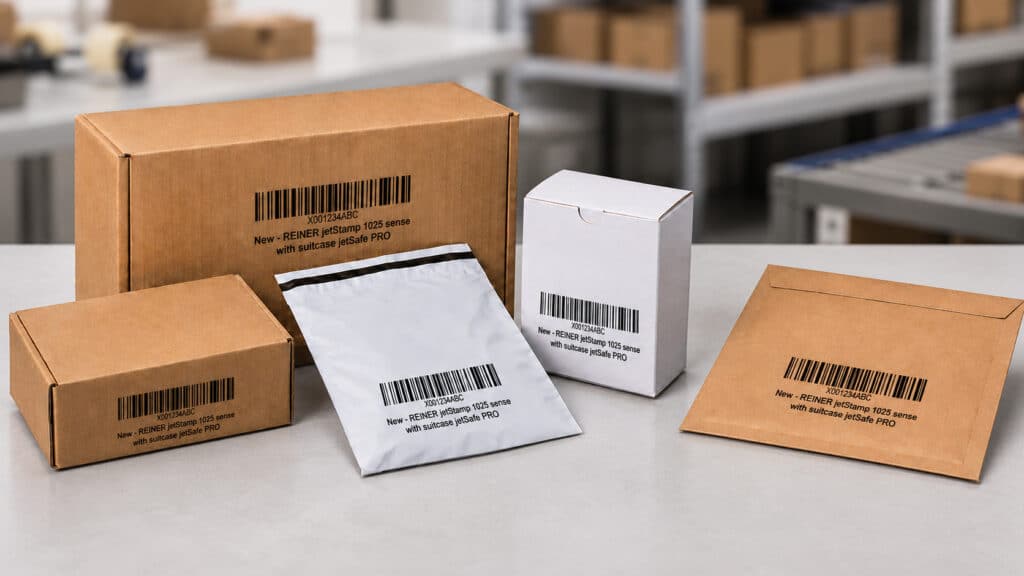
Instead of printing labels internally or externally in advance, storing them temporarily and applying them later, the labels are applied directly where they are needed in the process.
- Without upstream labeling step
- Without separate labeling station
- Without material provisions
The information is applied directly to the packaging - at the exact moment of processing.
How the implementation works
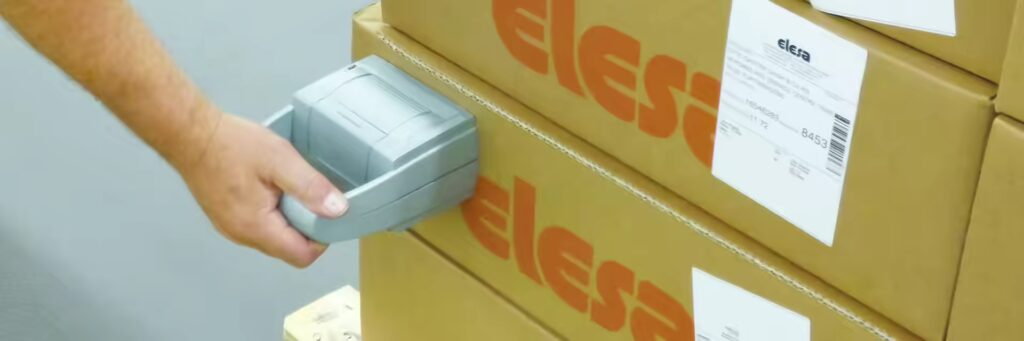
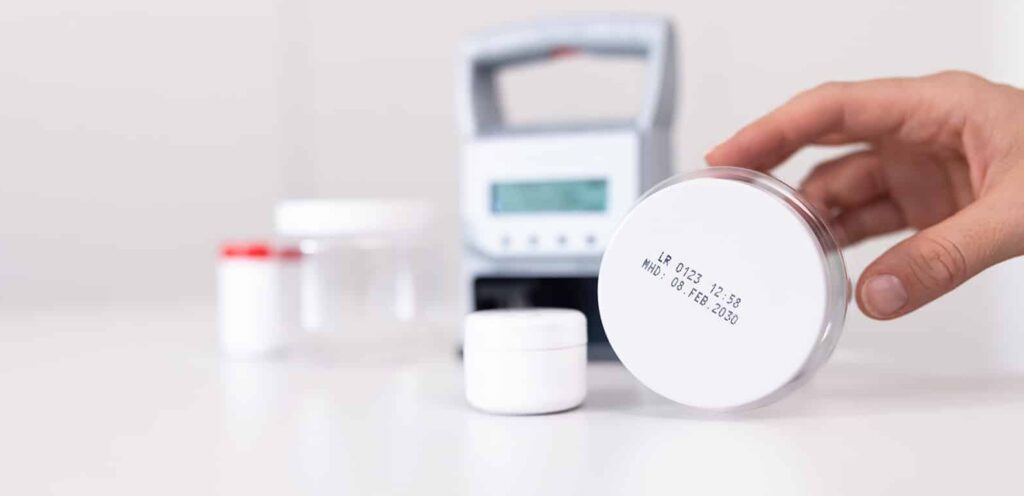
With mobile direct printing systems such as the jetStamp 1025 sense, marking can be integrated without a fixed infrastructure:
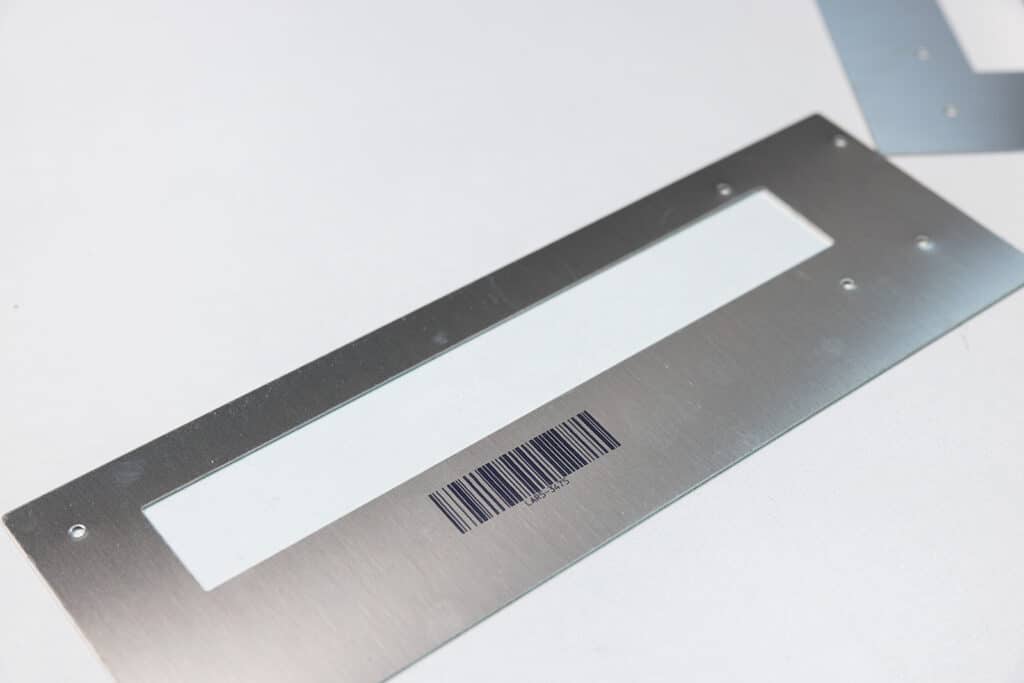
- Barcodes (1D and 2D) are generated independently
- Variable order data is transferred via integrated barcode scanner
- Labeled directly on the packaging
→ No switching between workstations
→ No preparation or reworking of labels
An introduction can take place gradually and be tested during ongoing operations - without extensive IT projects.
Practical example Otto Ganter GmbH
Initial situation
- High number of variants
- Additional effort for labeling and coordination
- Separate process step for labeling
Implementation in goods receipt
- Autarkic generation of unique barcodes (WMS ID)
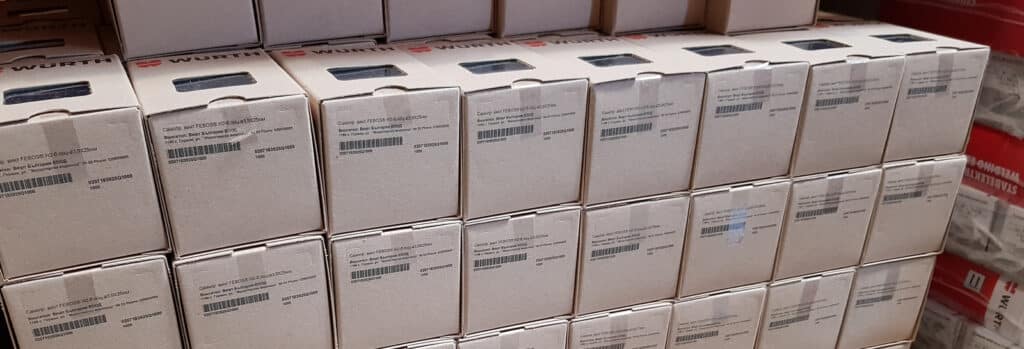
- Direct printing on the outer packaging
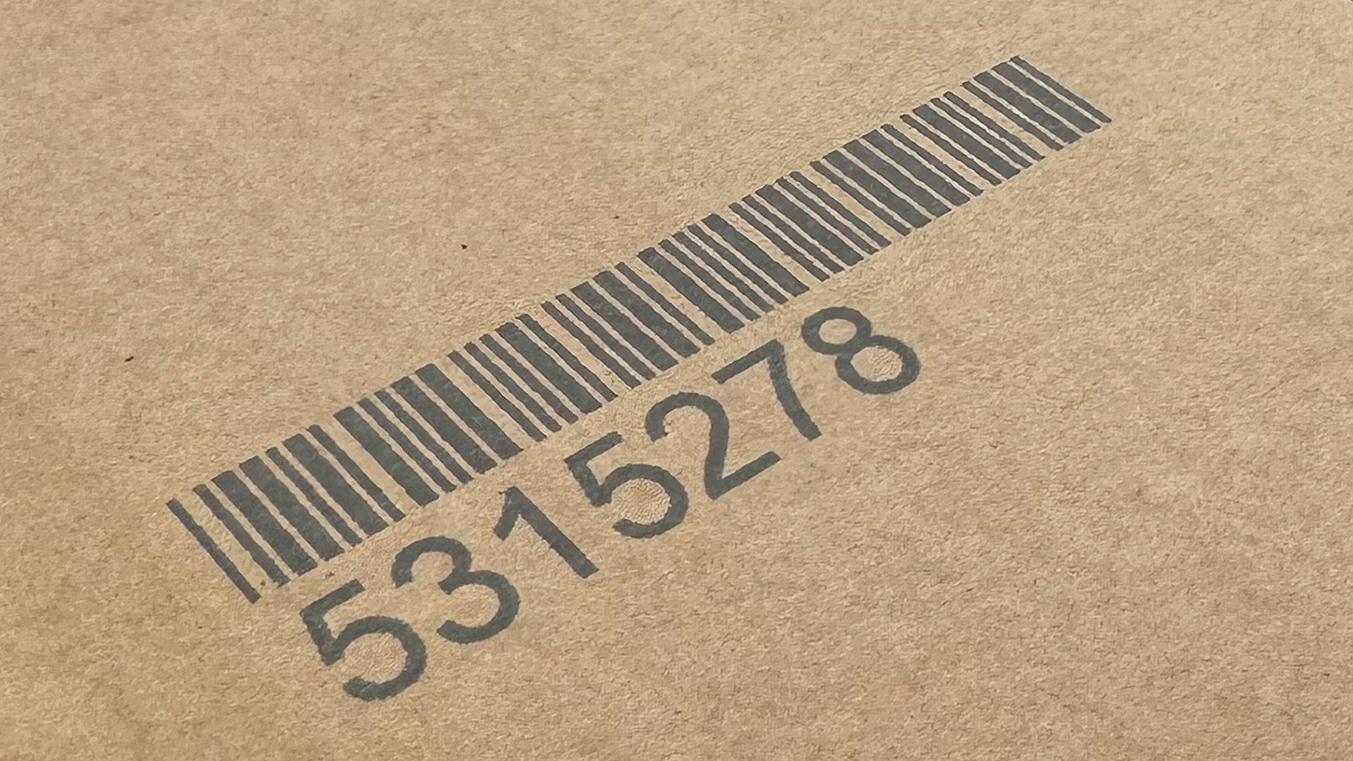
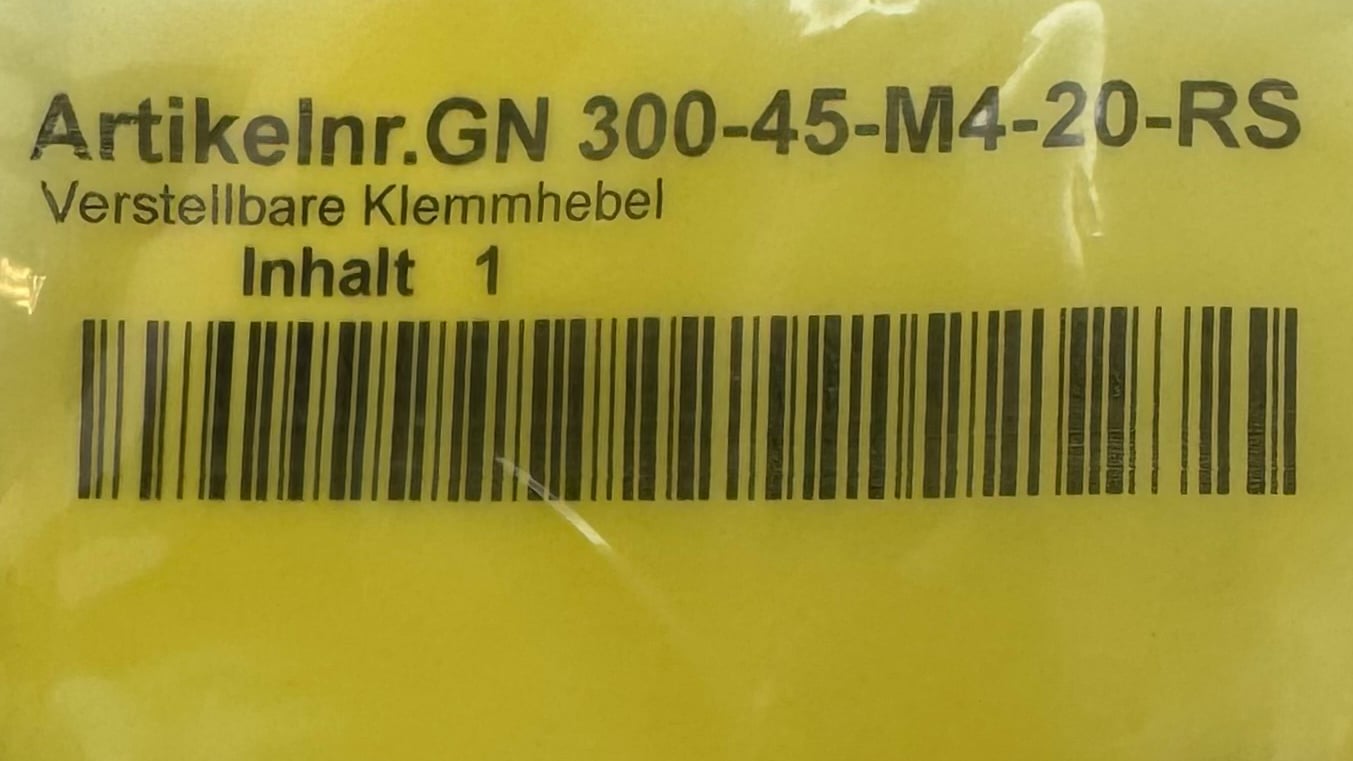
Implementation in production
- Transfer of order data via barcode scan
- Direct printing of article identification on the packaging
Direct labeling changes the process positively
| Before | Afterwards |
|---|---|
| Create and provide labels | Transfer order data |
| Assign packaging | Label packaging directly |
| Apply labels | Continue process |
| Check labeling | |
| Dispose of carrier material |
What is actually changing in everyday life
- Packaging no longer has to wait for labeling
- Employees stay at one workstation instead of moving between stations
- Labeling takes place in the same work step as packaging or goods receipt
- Short-term changes can be implemented directly without reprinting labels
When does this make sense?
The approach is particularly relevant for:
- high number of variants
- dynamic or fluctuating order situations
- manual or decentralized workstations
- Processes with high labeling effort
In stable processes with small quantities, classic labels are often still sufficient.
Practical experience
„We were able to put the devices into operation within a short space of time without the need for an extensive IT project. Together with REINER, we were able to implement our requirements in a practical way. Transitional solutions enabled us to be up and running within an hour and to test direct printing, while internal adjustments were prepared in parallel.“
Ralf Beitlich, Head of Logistics, Otto Ganter GmbH & Co. KG
Get in contact with us
Let us check together whether the labeling step in your process can be eliminated.
We categorize your specific use case and show you whether mobile direct marking will noticeably simplify your process - or not.


 German
  English
  French
  Spanish