
What does mobile labeling mean?
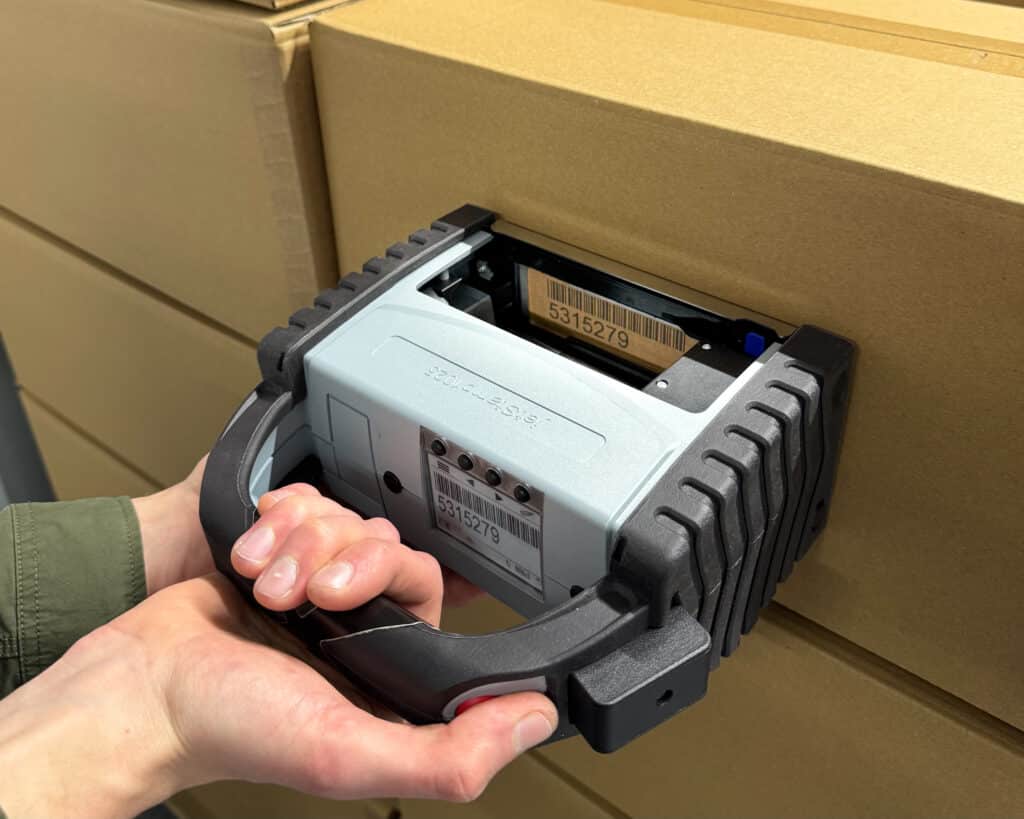
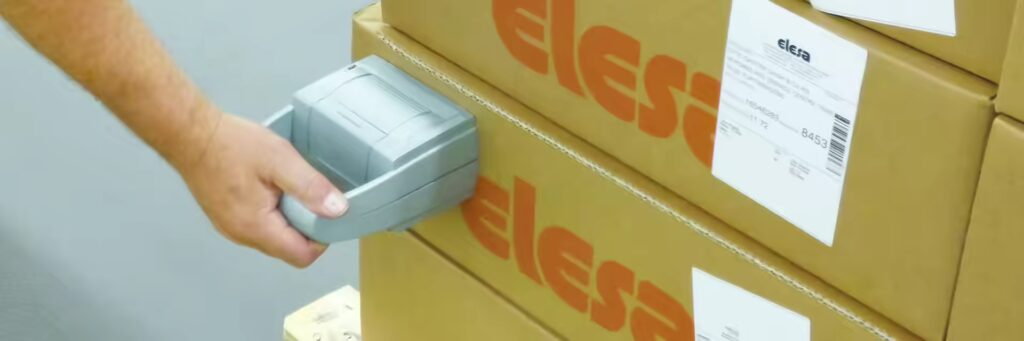
Mobile labeling describes labeling solutions that not firmly integrated into a production line are. Instead of taking products to a machine for labeling, the labeling device is used directly where the product is located.
This enables flexible, location-independent labeling - for example in the warehouse, in shipping, in assembly or during rework.
Why are mobile labeling solutions relevant in practice?
In many companies, processes are not fully automated. Products are processed, picked or subsequently adjusted manually. In such situations, a fixed production line quickly reaches its limits.
Mobile labeling is relevant wherever:
- Products do not run over conveyor technology
- changing locations are required
- Subsequent labeling becomes necessary
- small series or individual pieces can be processed
Instead of building processes around the labeling, the labeling adapts to the process.
Typical areas of application for mobile labeling
Mobile labeling solutions are used in very different areas, including
- Warehouse & Shipping: Labeling of cartons, pallets or shipping packaging
- Production & assembly: Post-marking of components or assemblies
- Craft & special production: Labeling of small series or individual products
- Quality assurance: Adding or correcting markings
- Logistics & Trade: Flexible labeling for changing requirements
Mobile labeling offers a decisive advantage, especially for variable processes.
Mobile labeling without a production line - how does it work?
Mobile marking devices work independently of a fixed line. The print data is created digitally and transferred directly to the device. Printing takes place directly on the product or packaging.
Typical features of mobile labeling:
- No fixed installation necessary
- ready for immediate use
- Flexible adaptation of content
- Labeling directly on the product
In many cases, content can be changed at short notice without having to reorganize processes.
Direct printing as the basis for mobile labeling
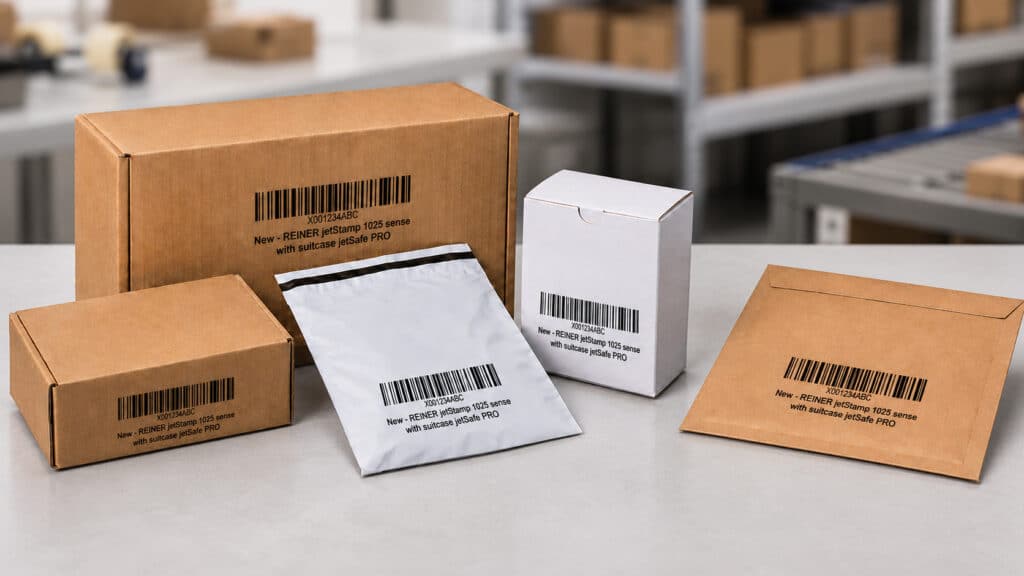
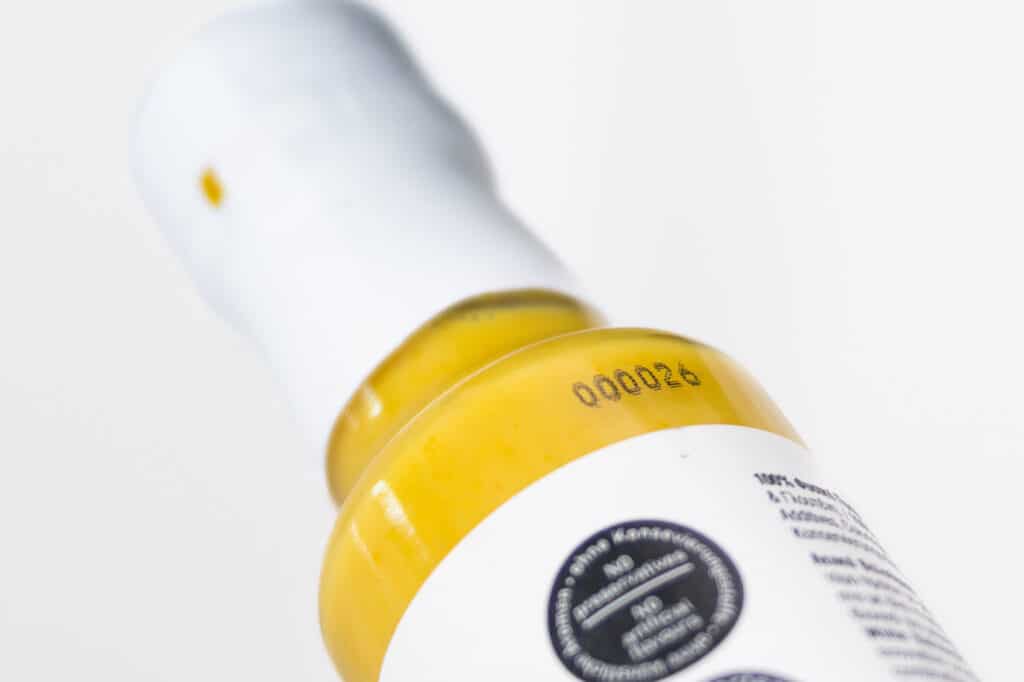
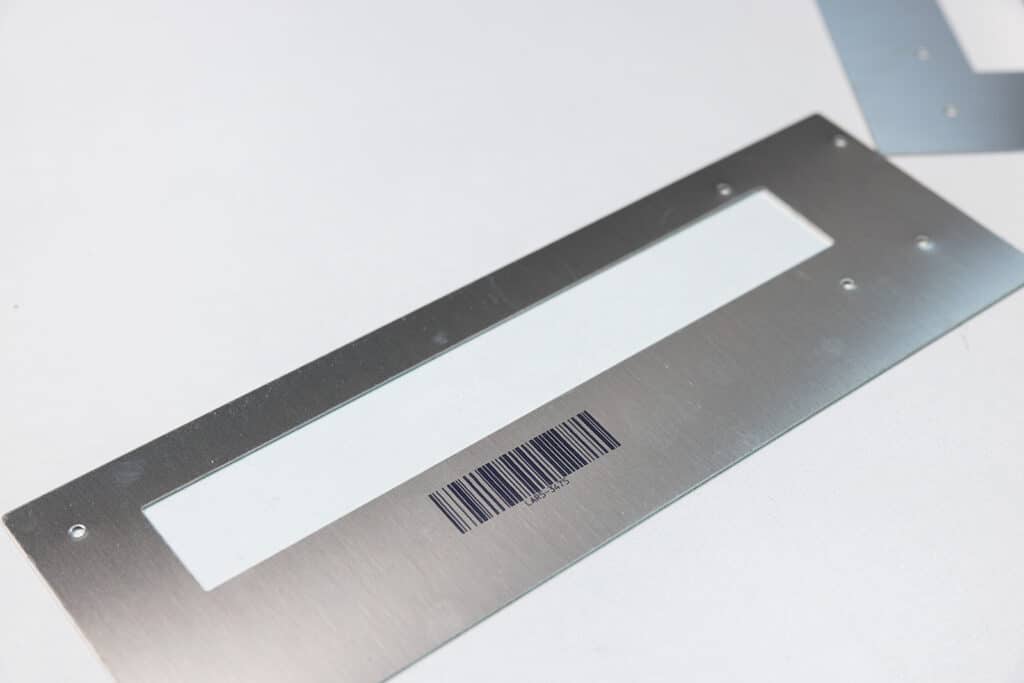
Mobile labeling is often used with direct printing combined. Texts, barcodes or variable data are printed directly onto the surface without a label.
Direct printing is particularly suitable for mobile applications, as:
- no label material is required
- no additional application steps are required
- Content can be flexibly adapted
You can find out more about direct printing in the blog article „Direct printing in industrial marking - functionality & advantages“.
Advantages of mobile labeling at a glance
High flexibility
Marking is possible exactly where it is needed - regardless of the location or a fixed installation.
Simple integration into existing processes
Mobile solutions can be easily integrated into manual or semi-automated processes.
Ideal for small series and special cases
A fixed production line is often not economical for small quantities or individual products.
Post-labeling without detours
Missing or changed markings can be added directly without having to reroute products.
When is mobile labeling particularly useful?
Mobile labeling is particularly suitable when:
- Processes are not linear
- Products pass through different stations
- Change content frequently
- Flexibility is more important than maximum automation
It is not a replacement for any stationary solution, but it is a useful addition.
Limits of mobile labeling
Mobile labeling is not the optimal solution for every application. Stationary systems are often more efficient for very high volumes or fully automated lines.
Here, too, the choice of the right labeling solution always depends on the specific application.
Conclusion: Mobile labeling as a practical solution
Mobile marking offers companies the opportunity to mark flexibly and independently of production lines. Especially in variable, manual or decentralized processes, it creates freedom and simplifies workflows.
This makes it a useful addition to stationary labeling solutions - wherever flexibility is required.



 German
  English
  French
  Spanish