
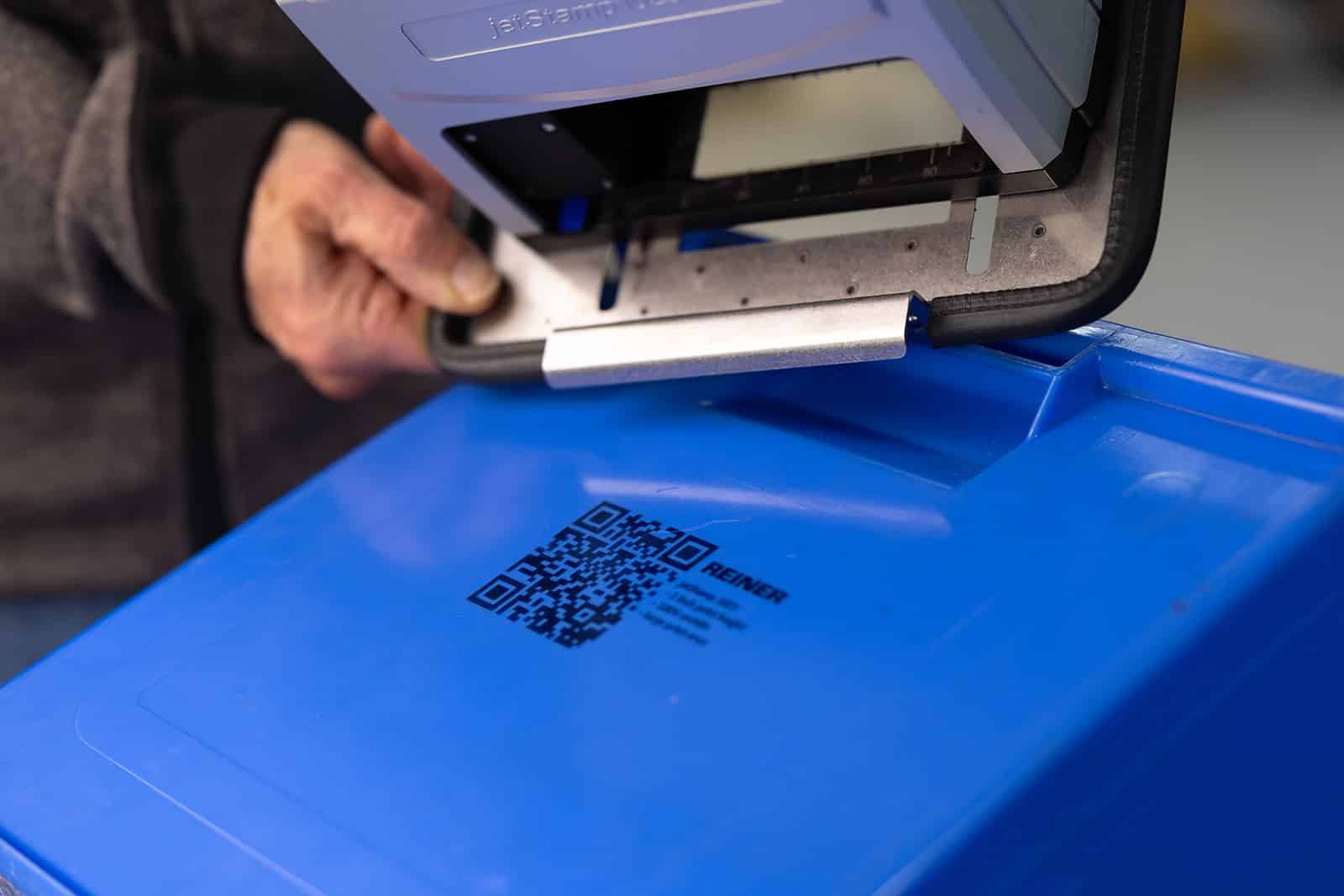
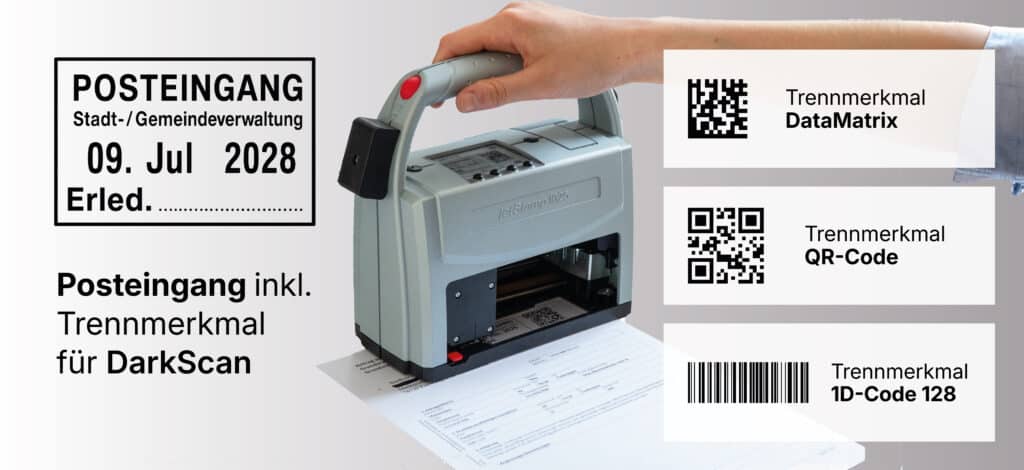
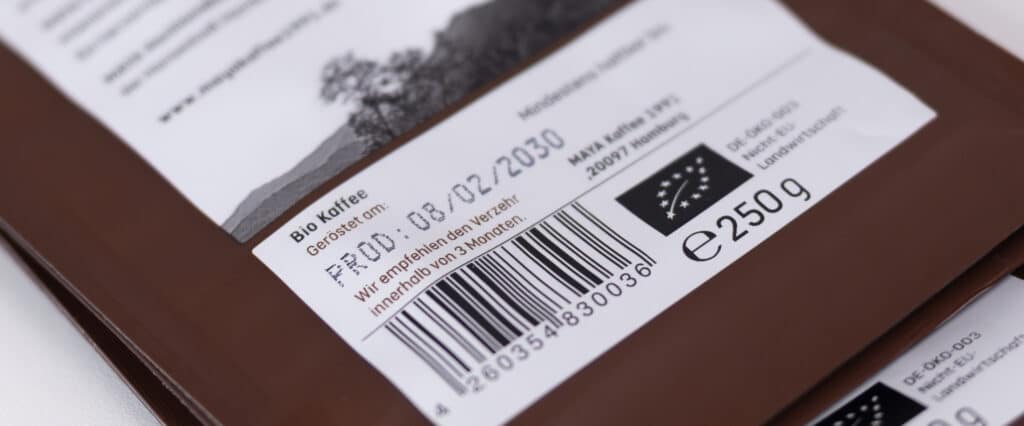
Product name, part number, lot number, barcode, QR code, logo, or multiple lines of text: The more information that needs to be included on packaging or a component, the larger the label often becomes. But not every label needs to be applied to an additional substrate. Large-format direct printing makes it possible to print a lot of information directly onto the product, the packaging, or a load carrier. With the 2-inch print extension for the jetStamp® 1025 and jetStamp® 1025 sense, the maximum print area can be increased from 85 × 26 mm to up to 85 × 52 mm.
When is a print height of 26 mm no longer sufficient?
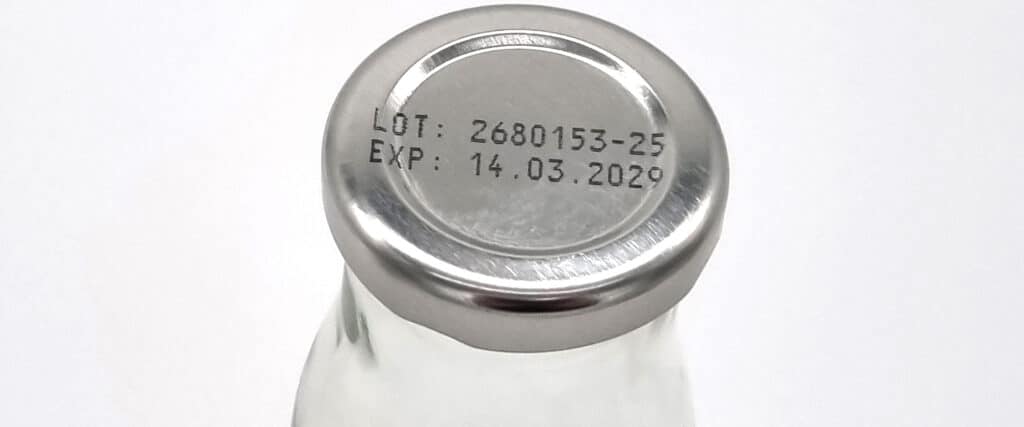
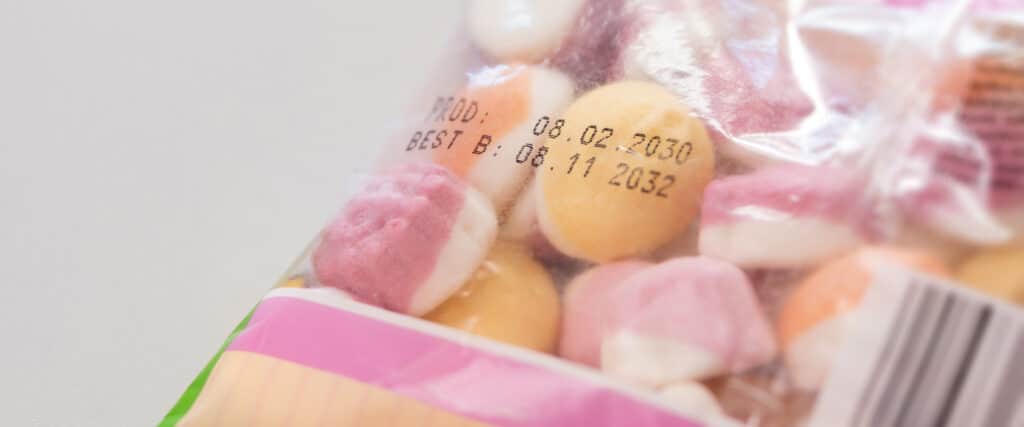
A print height of 26 mm is often sufficient for best-before dates, lot numbers, or a single barcode. The situation is different when multiple pieces of information need to be printed together, such as: product name, lot number and date, barcode or QR code, as well as a logo or additional notes. In such cases, a larger print area can be crucial. With the expansion to a 52 mm print height, multi-line content, larger codes, and more complex print images can be applied directly.
GRIP: 2-inch printing on cardboard and packaging
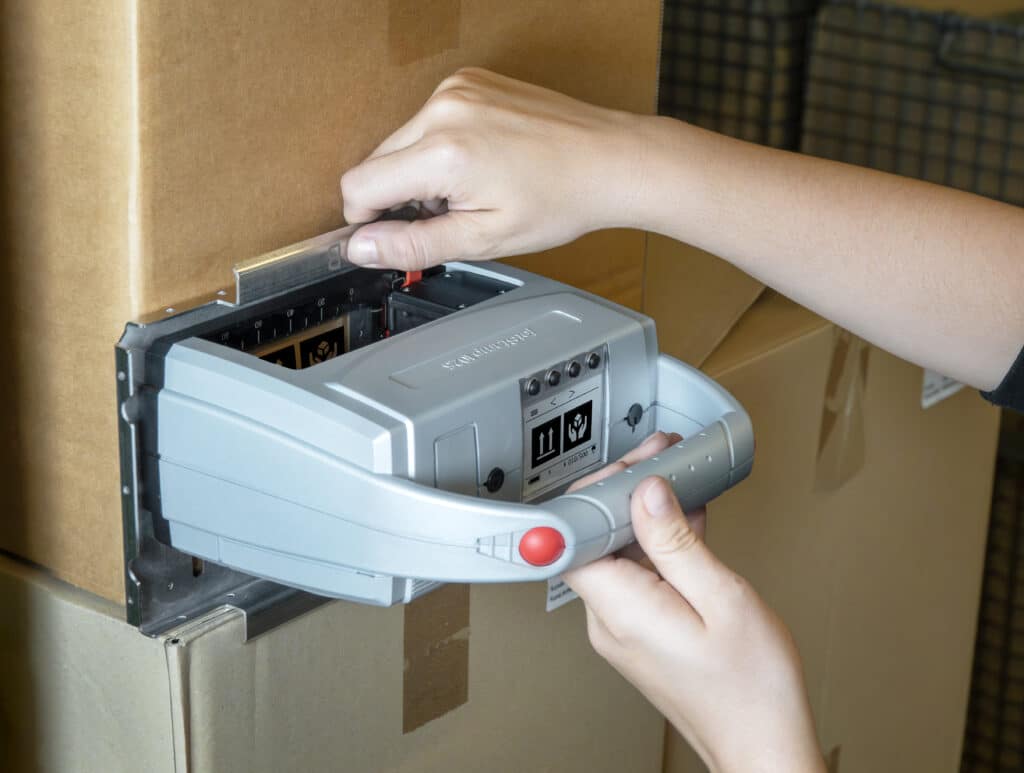
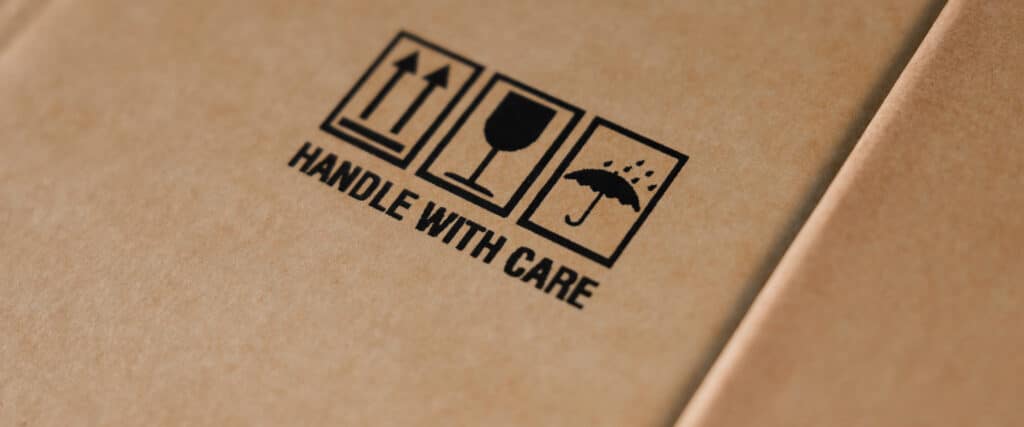
The GRIP print extension was developed for cardboard and packaging. It increases the print height to up to 52 mm and ensures the device is guided securely during the printing process. This makes it possible, for example, to print larger images on shipping boxes or outer packaging. The information is printed directly onto the cardboard. This eliminates the need for a separate label with backing material and adhesive—provided the application and surface are suitable.
SPIKES: Large-format direct printing on wood and pallets
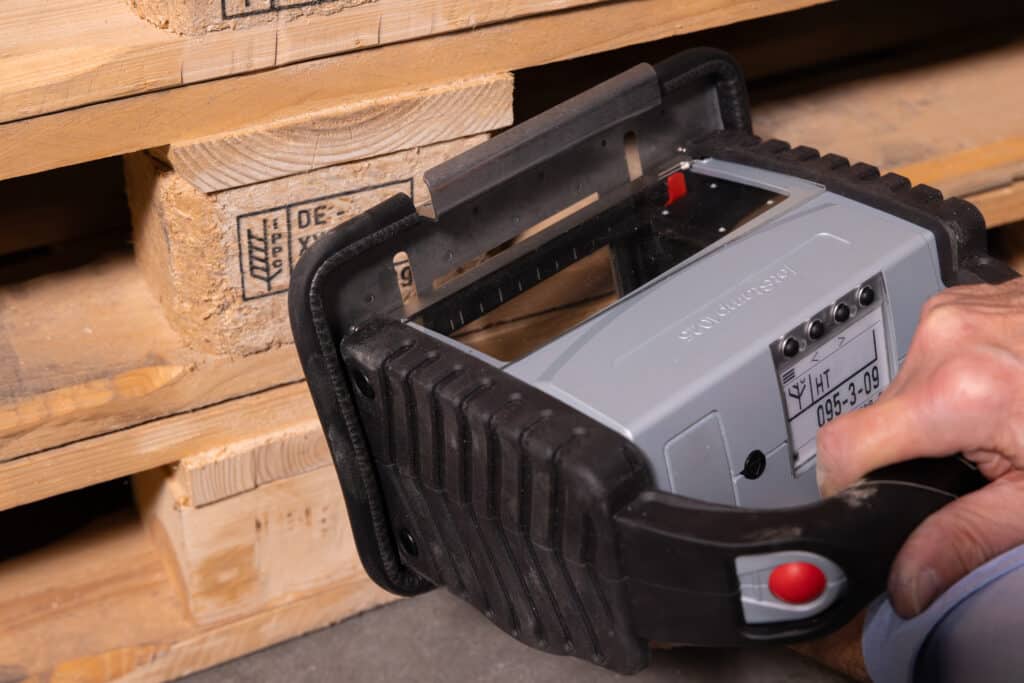
Rough wood surfaces pose additional challenges for positioning. The 2-inch SPIKES print extension was developed to address this. The integrated spikes grip the rough surface and stabilize the guide during the printing process. REINER lists Euro pallets, wooden packaging, and rough-sawn wood as typical applications, among others. Here, too, the maximum print height is up to 52 mm. Especially on pallets or large wooden packaging, larger markings also improve visibility.
What is the difference between SPIKES and GRIP?
Both extensions serve the same purpose: to increase the print area of the jetStamp® 1025 and 1025 sense, respectively, to up to 2 inches. The main difference lies in the surface:
- GRIP: For cardboard, paperboard, and packaging with a relatively smooth surface.
- SPIKES: For rough wooden surfaces and pallets, where the spikes provide additional grip.
This allows the same device platform to be configured differently depending on the application.
Why can large-format printing replace labels?
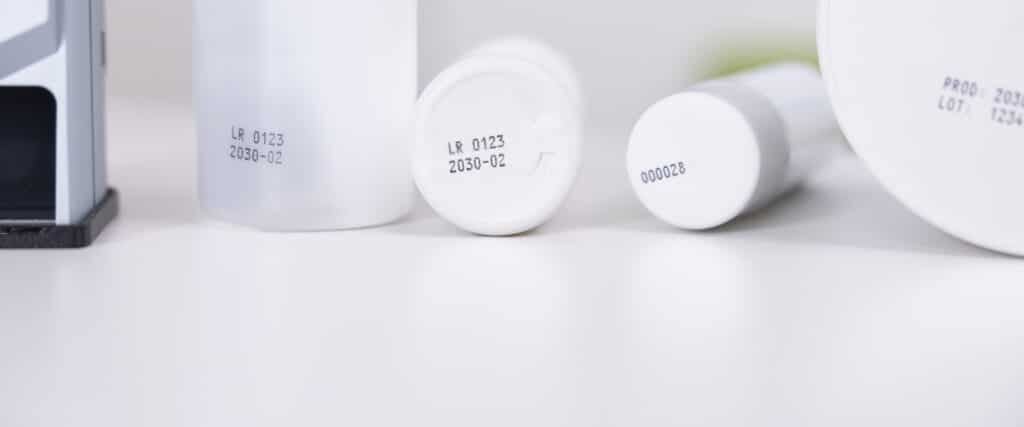
The larger a label becomes, the more material is required. In addition, this involves additional process steps for procurement, storage, printing, and application. With direct printing, however, the label is applied directly to the existing material. This can be particularly advantageous when:
- Frequently change print content
- small and medium-sized production runs are manufactured
- variable data are required
- different types of packaging can be labeled
- no additional label material is desired
- work is to be done directly on the product or on the packaging
REINER describes direct printing as a way to eliminate the need for a separate labeling process, including the backing material and application.
Conclusion
Large-format direct printing significantly expands the possibilities for mobile labeling. With the jetStamp® 1025 and jetStamp® 1025 sense, the print area can be expanded from 85 × 26 mm to up to 85 × 52 mm using the appropriate accessories. GRIP supports applications on cardboard and packaging, while SPIKES was specifically developed for rough wooden surfaces and pallets.
This makes it possible to apply even larger printed images—including text, codes, logos, and variable information—directly to the material. The more information a large label contains, the more relevant the question becomes: Does this label even need to be applied at all—or can the information be printed directly onto the material?



 German
 English
 French
 Spanish