

Absorbent or not?
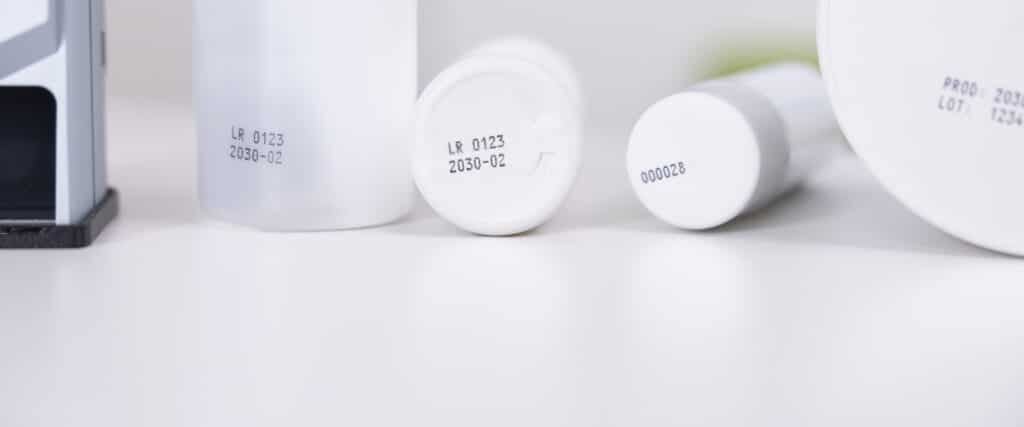
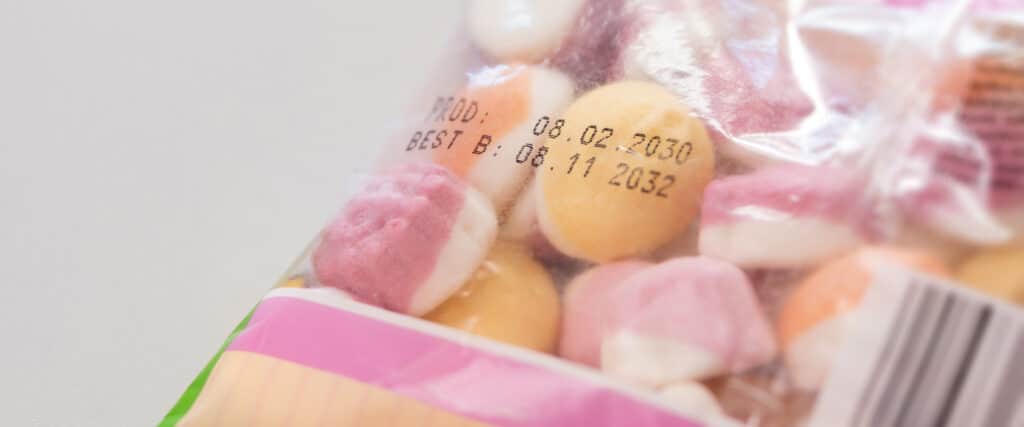
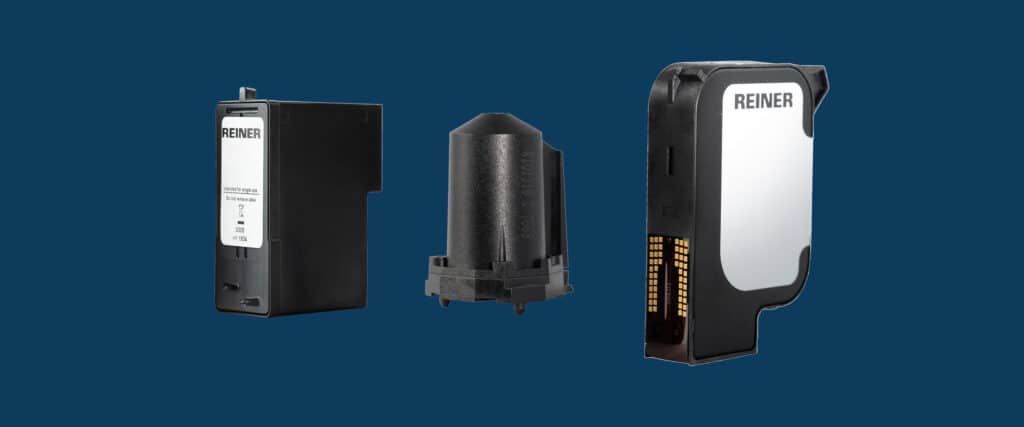
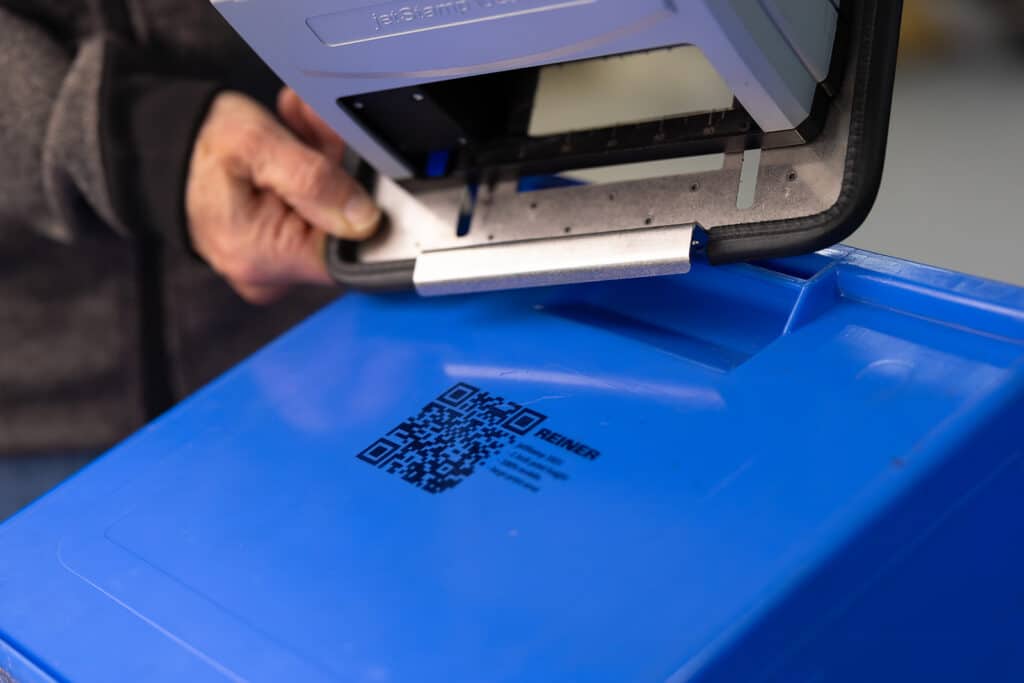
One particularly important distinction is whether a surface can absorb ink. Absorbent materials such as paper, cardboard, or untreated wood absorb some of the ink. Water-based inks, for example, are suitable for this purpose. Non-absorbent materials such as plastic, metal, or glass, on the other hand, absorb little or no ink. The ink must dry on the surface and adhere to it. This requires special, fast-drying, solvent-based inks. At REINER, we offer various ink options for this purpose, such as MP3 and MP4.
What role does surface energy play?
For ink to adhere well, it must first be able to sufficiently wet the surface. Simply put: If a surface has unfavorable or very low surface energy, the ink has a harder time spreading and bonding. This is a common challenge with certain plastics, for example. That’s why it can happen that an ink works exceptionally well on one type of plastic but significantly worse on another—even though both look very similar at first glance.
Coatings alter the surface
A coating can also completely change the printing characteristics. For example, a painted metal part behaves differently than bare metal. The same applies to powder coatings, protective coatings, films, coatings on cardboard, and coated plastics.
Ultimately, it is the top layer that matters most for the ink—not necessarily the material underneath. REINER points out, for example, that in the case of coated metal surfaces, paint finishes and coatings can affect drying and adhesion.
Oil, grease, and moisture can interfere with adhesion
Even the best combination of material and ink will perform poorly if there is a foreign layer between them. Typical factors that interfere with printing include oil, grease, dust, release agents, cleaning agent residues, or moisture. Under certain circumstances, the ink may not adhere to the actual surface but rather to the film on top of it. Therefore, when adhesion problems arise, you should always check the condition of the material at the time of printing.
Structure also plays a role
Very smooth and very rough surfaces present different challenges. On an extremely smooth surface such as glass, the ink must adhere particularly well to the surface. For this purpose, REINER recommends, for example, MP4 ink for high adhesion requirements on very smooth, non-porous materials. With highly textured surfaces, however, there is a different challenge: the distance between the printhead and the material can vary. This can cause the print image to become uneven.
Adhesion is not the same as abrasion resistance
A print may look great right after it's applied but still cause problems later on. That's why it's important to consider what will happen to the product afterward.
For example:
– Is that area frequently touched?
– Do the products rub against each other during transport?
– Is the surface cleaned?
– Does it come into contact with water, oil, or chemicals?
– Is she exposed to heat or cold?
Why a material test is so important
That is precisely why the question „Will this ink adhere to plastic?“ cannot always be answered in general terms. A meaningful test should, if possible, be conducted on the actual material under real-world conditions. This should involve evaluating not only the print image immediately after printing, but also drying, abrasion, and subsequent wear and tear. We therefore recommend a test print under real-world conditions for new or specialty materials.



 German
 English
 French
 Spanish